Middle East

Mossad Director Visits U.S. for Iran Consultations, Axios Reports

The director of Israel's Mossad spy agency, David Barnea, arrived in the U.S. on Friday morning for talks on the situation in Iran, according to an Israeli source and another source with knowledge of the meeting. Barnea is expected to meet in Miami with White House envoy Steve Witkoff, who is managing the direct channel of communication ...

Trump Says Killings in Iran Subsiding

President Donald Trump said on Wednesday that he had received assurances that the deadly crackdown on protests in Iran had come to an end. The U.S. president nevertheless maintained ambiguity over a possible American military intervention, as the international community remains on high alert in the face of a major crisis in the Middle ...

U.S. Evacuating Forces From Key Bases in Middle East

The United States is evacuating forces from several of its key military bases across the Middle East, amid preparations for a possible strike on Iran, an official American source told Reuters news agency. A number of personnel have been told to depart the United States' Al Udeid military base in Qatar "in response to the current regional ...

Iraq on High Alert: Baghdad Warns of Imminent Israeli Strikes

According to several corroborating reports cited by Israeli media, Iraqi authorities have been discreetly warned of the possibility of targeted Israeli strikes on their territory, aimed at pro-Iranian armed groups operating in the country. These warnings, described as “extremely serious,” are said to have been delivered through Western and ...

​​​​​​​Foot-and-Mouth Disease: Lebanon’s Livestock Under Pressure as a Health Emergency Takes Hold

Nearly two-thirds of the country’s cattle are believed to be infected with a fast-spreading viral fever that slashes milk production and devastates farmers. Veterinarians describe the outbreak as “extremely dangerous but not transmissible to humans”, yet it lays bare the weaknesses of Lebanon’s preventive systems—at a time when another ...

Seeing Is Believing: Army Unveils Realities South of the Litani

On Monday in southern Litani, the Lebanese army went beyond a routine field visit, staging a carefully orchestrated tour for its ambassadors, chargés d’affaires, and military attachés to showcase its operations.  From the sector command in the southern city of Tyre, the army’s commander-in-chief, General Rodolph Haykal, outlined to foreign ...

Financial Gap Threatens Depositors Amid Government Inaction

Amid ongoing government debates over the draft law addressing the financial shortfall and the fate of deposits, concern is growing within economic and banking circles over the plan’s potential direction. Each new draft leak highlights a deep disagreement—over how losses should be allocated and the extent of the burden the state must shoulder ...

Lebanon and the Vatican: A Centuries-Old Bond

Lebanon and the Vatican share a relationship that predates modern diplomacy by nearly a millennium. One is a Mediterranean nation long defined by religious diversity; the other, the global center of the Catholic Church. Yet together, these two small states have forged a partnership with influence far beyond their size spiritually, culturally, and ...

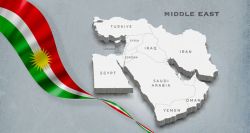
Kurds at a Crossroads as Middle East Shifts

Syrian Democratic Forces (SDF) commander Mazloum Abdi’s November 19 trip to the autonomous Kurdistan region of northern Iraq was an important moment, underscoring that Kurdish leaders now appear to understand the importance of cooperation amid sweeping changes in the region. Abdi—a close partner of the US military in Syria who spent ...

Leo XIV: Leading the Church with Simplicity

When white smoke rose above the Sistine Chapel on May 8, 2025, the world was introduced to Robert Francis Prevost, who took the name Leo XIV. At 69, the Chicago-born cleric became the first pope from the United States, a choice that surprised Vatican observers. Considered an unlikely candidate due to his nationality, Prevost was nonetheless ...

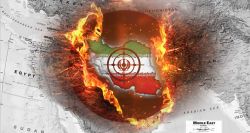
Iran: The Swan Song!

Some regimes govern with ideas; others thrive on chaos. Iran is clearly in the latter camp, lighting fires across the Middle East while hoping the smoke will hide its failures. Since 1982, Tehran has treated Lebanon—and its political-military proxy, Hezbollah—like a live grenade waved during negotiations: always a threat, never a plan. For ...